Out of the Mire
…because thriving is the goal
Category: Recovery
The Box
I decided to practice self-care so I met with a therapist. This is what this new therapist has observed. The “cognitive stuff” is done. I know what is true, and I know how to apply it. That feels like a huge victory. What isn’t… Continue Reading “The Box”
Safe People
After my last post, I wanted to pause and discuss the idea of a safe person and what that means using Drs. Cloud and Townsend’s book Safe People. On their website, Cloud and Townsend ask the question: What are safe people? This is a… Continue Reading “Safe People”
Understanding The Borderline Mother, Part I
I continually try to get away from the topic of borderline personality disorder on this blog, but I find that art is imitating life. I can’t get away from it in my life either. Why fight it? I’m going to try to make it… Continue Reading “Understanding The Borderline Mother, Part I”
Breaking Up the Switchbacks
The healing process is painful, exhausting and time consuming, but, ultimately, the process is uniquely ours whether we wanted it or not.
The “You Historical Society”
Our lives can be viewed metaphorically as a landscape populated by a thriving city or by ruins. For better or worse, it is up to us to make do with what remains be it clearing away dumped rubbish, repairing old but sound structures, tearing down ruined buildings, or rebuilding boundaries. It is a worthy and necessary endeavor made more meaningful when done in a loving community committed to our success.
Truth Hurts
While the truth is necessary for our forward movement it also hurts. For many of us, our relationships with our mothers need the most truth and are also the source of most our pain in life particularly if there is abuse. Applying truth, boundaries, and learning to stand our ground can be especially helpful as we grieve our losses in close family relationships.
Default Options
Many of our responses to our life experiences and relationships can be described as automatic or knee jerk, but it is possible to change our responses when we are able to discern and internalize alternatives.
Denial and Coping
While our coping strategies enable us to survive trauma and difficult circumstances, they do not serve us any longer when we are in recovery. They do not, however, lose their power. Sometimes we experience a sense of being “stuck” when we are still “coping” rather than moving forward with a greater sense of freedom.
Step One: Tell the Truth
Denial is an effective coping strategy, but telling the truth about your life and experiences is necessary if a complete recovery is the goal.
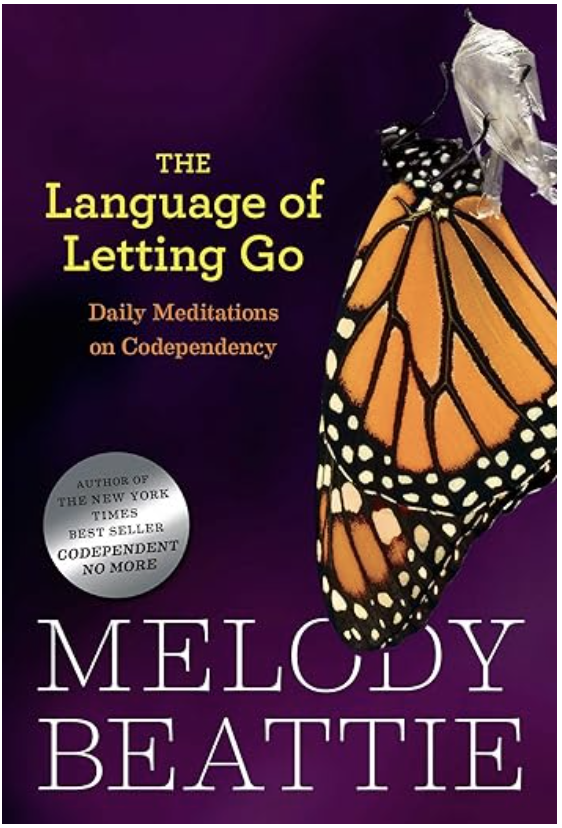
Currently on the Nightstand
Share this blog

RSS


thrivingisthegoal.com
is licensed under a
Creative Commons Attribution-No Derivative Works 3.0 United States License.

 Out of the Mire